Loading
Loading
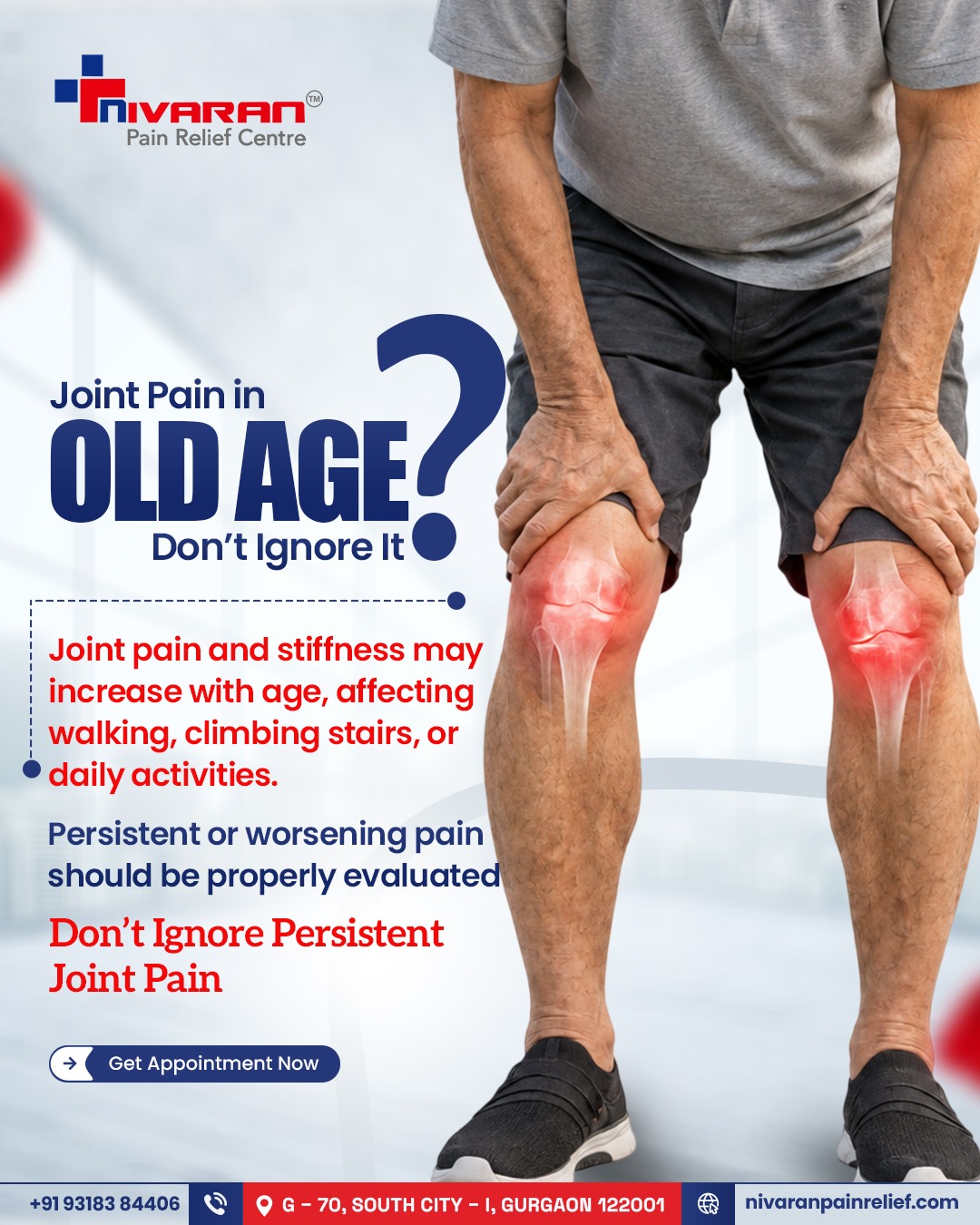
Aging brings its challenges, with stiff and arthritic joints reducing mobility and function. Persistent and worsening joint pain should be evaluated for the causative reason for appropriate intervention.
Joint pain may arise commonly as a person reaches old age. It reduces their mobility, and they feel aches and pains that prevent them from exercising frequently or moving comfortably
They have pain while walking, climbing stairs, and performing other activities in their daily life. As such, elderly people suffering from joint pain should consult medical experts for intervention.
An individual may suffer from joint pain because of several discomforts in their joints, including knees. The symptoms include:
These symptoms may prompt the person to visit a professional medical center for intervention and treatment recommendations.
Joint pain may limit an elderly person’s ability to perform activities in their daily life.
Among these activities, a person suffering from joint pain finds it hard to walk properly. They may also experience discomfort and limited flexibility to stand or sit appropriately. Moreover, they cannot walk, climb, or stand for long periods or perform other daily activities like personal care, household chores, or running errands.
Such persistent discomfort limits the person’s capability to move freely and live a life with dignity; they should, therefore, seek medical advice when such symptoms develop.
Persistent or worsening joint pain should not be ignored because it can be a sign of something more serious.
Joint pain can develop because of multiple problems and should, therefore, be discussed with a medical professional to determine the underlying reasons for the discomfort.
It is good for the affected person to seek medical advice promptly to address their condition; this could be evaluated and managed appropriately.
An individual’s treatment for joint pain depends on the root problem, variation in mobility, and co-conditions present. They should stay active despite their condition to reduce the effects on their joints.
Moreover, they should avoid stressing their joints too much. A comprehensive evaluation is necessary to develop a treatment plan and determine whether symptoms need drugs or interventions. It is essential to speak with a professional medical center about the most appropriate approach to relieve the discomfort.
Every person will age one day, and many people find themselves wondering how to avoid joint pain or reduce it if it is already there. Their physician will recommend them to keep doing low-impact exercises in addition to a well-balanced diet and lifestyle modification.
They should consult professional medical advice when undertaking any medication or exercise regimen to reduce the discomfort. An elderly person should consult a doctor before engaging in any regimen to moderate joint pain.
Joint pain can be caused by a wide range of problems. Therefore, an expert evaluation is needed to examine, evaluate the range of motion, and look for signs of a more serious condition.
The professional will assist by determining the best course of action depending on the underlying causes, symptoms, and treatment considerations. They will discuss with the patient or elderly sufferer to explore possible treatment options, and the most appropriate intervention will depend on several variables.
A person should visit a professional medical center to examine and evaluate their persistent joint discomfort, worsening pains or ache over a long period of time, or mobility limitations. The person should also find out the best pain treatment for elderly with knee pain.
Individuals should present with symptoms that are preventing them from doing their daily activities, including sitting, lying down, exercising, or walking. People should also seek medical advice when the problem occurs or persists even after attempting standard therapy or medications.
In circumstances when the affected person has a sudden onset of symptoms accompanied with swelling, redness around the joint, warmth or fever, and an inability to bear any weight, then it is essential to consult a medical center immediately.
Joint pain presents with a wide range of complications limiting a person’s activity level and mobility. With advancing age, an elderly person may find that pain is persistent, and movement creates a challenge. This scenario necessitates them getting to a professional medical center to get evaluated, diagnosed, and treated appropriately.
Instead of allowing discomfort or aches to be present persistently, a person should seek professional intervention to understand their situation and receive treatment. They would be able to choose the pain treatment for elderly with knee pain, and appropriate measures would be taken to prevent the progression.
Ignoring the persistent discomfort of joint pain will limit an elderly person’s ability to perform activities in their daily life.
When a person or elderly member of one’s family has persistent joint pain, they need a pain management intervention. Nivaran Pain Relief Centre will give them the much-needed relief.
Joint stiffening and pain increase as a person ages. Persistent and worsening pains in the joint restricts normal movements and activities or even provokes pain when walking, climbing stairs, and doing other daily activities. An elderly person should seek a professional diagnostic to determine the causative agents for the discomfort, as they limit a person’s daily life. Getting to a professional medical center will help in the timely diagnosis to relieve the individual.
Keeping active despite their condition or aging is vital, and so is getting appropriate medical intervention. If the person or elderly member is experiencing some form of joint discomfort or pain, it is essential to arrange for an opportunistic screening to prevent the condition from persisting or becoming chronic. Contact us at Nivaran Pain Relief Centre to receive appropriate pain management intervention.
G-70, South City-I, Gurgaon, Haryana – 122001