Loading
Loading
The low back pain is one of the commonest complaints which may affect the aged but less often persons of other age groups. It can be caused by poor posture, sitting, exercise or the presence of a medical disorder.
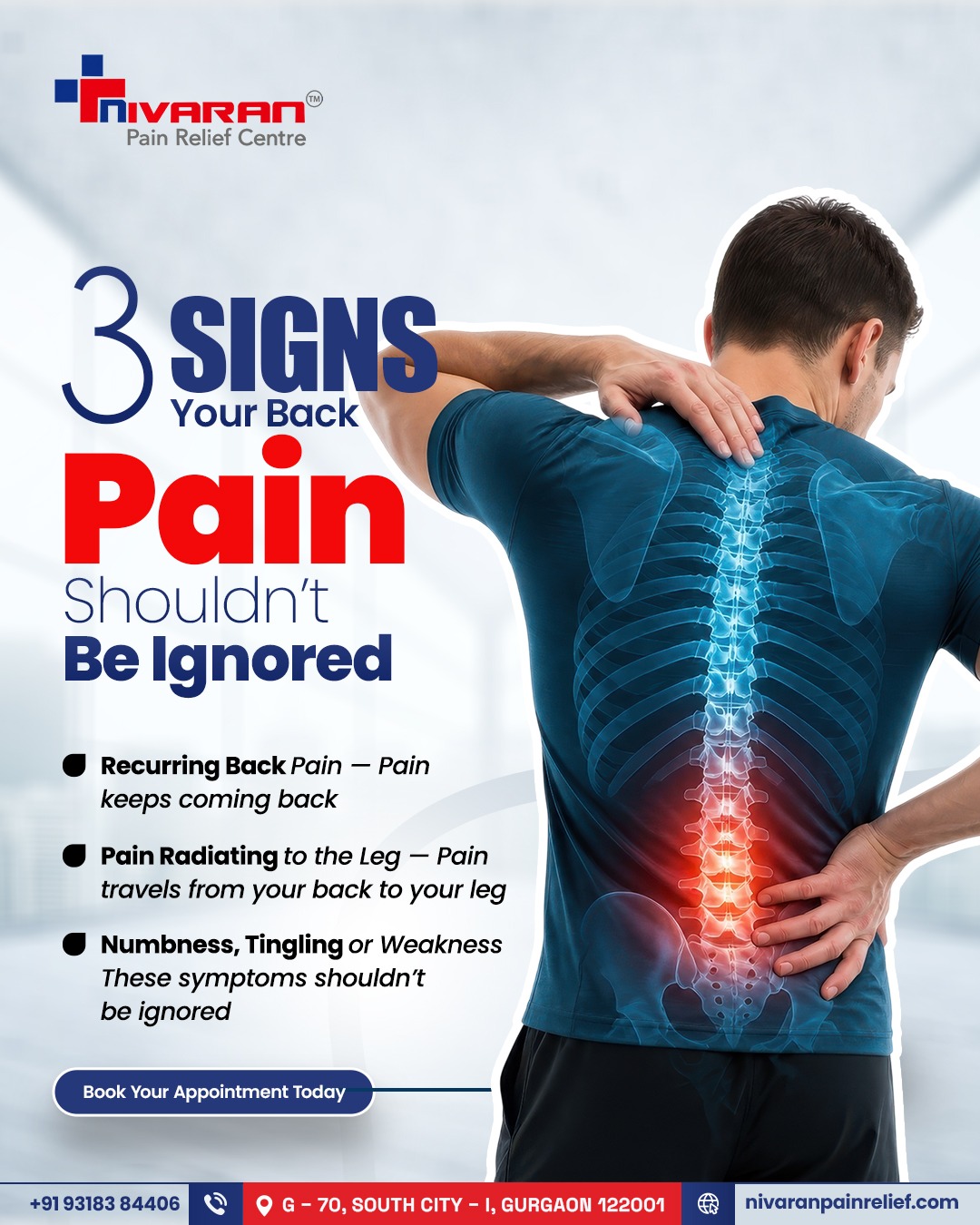
Repeating pain, pain that spreads through to the leg as well as numbness or weakness signs may be related to the back or nerves. It is crucial that these warning signs be noticed, and if they happen then they be seeked for.
Your back contains bones, muscles, ligaments, discs, and nerves that serve to move and support your body. Problems with any of these components can cause you back pain which can disrupt this functioning.
Intermittent pain back pain should not dominate your life, but if intermittent pain turns into persistent pain, it is time to see a doctor.
Back pain that has a repeated onset may be caused by an underlying condition that needs an examination. It may be connected to muscles, discs of the spinal cord, joint or some other problem of musculoskeletal.
Persistent pain can interfere with your sitting, walking, sleeping and working.
The doctor can take a look at the signs and advocate remedy or additional investigations.
Perhaps your pain radiates down into your buttock or leg. This could be caused by a pinched or irritated nerve. Sciatica is the name for this and it may be experienced as a burning, shooting or stabbing pain in one side of the body.
In some cases, depending on where the infection occurred, there may be a change in sensation or tingling.
If the symptoms persist or worsen, please see your doctor. Seek urgent medical attention if you develop any new problems with your bladder or bowel, numbness in your groin or if the weakness in your legs is gradually getting worse.
If you are experiencing back pain along with numbness, tingling, or weakness then you are probably having nerve issues. This is very common whenever you have a pinched or irritated nerve root in the spine.
You could notice some pins-and-needles or numbness in your foot or have difficulty moving your leg.
Sometimes a prompt assessment can even tell us the reason and the need for treatment of particular conditions.
There are various causes of back pain including:
The individual episodes do not all necessarily indicate a dangerous condition. With a clear diagnosis, the right diagnosis can be found.
Implementing these simple practices into your routine will encourage a healthy spine and could even help you to prevent pain.
Give your back support while sitting and changing the working position of the workstation.
Regular exercise Can help you stay active and strengthen the muscles that support your spine. Be active in ways that are right for you.
Stay, stretch or walk every now and then during prolonged sitting time.
Make sure to hold objects near your body, sit and stand using your hips and knees when possible and avoid rapid twisting.
Don’t rely on home remedies if your back pain lasts longer, reappears, spreads down your leg, or if you experience weakness or numbness.
The management will depend on the cause, severity, and duration of the hangover and on the target organs involved. Your doctor will take a full history and conduct a physical examination including a neurological examination. Imaging studies such as X-rays or an MRI scan may be required.
Not everyone requires an MRI or an operation. The treatment should be individualized for the person’s needs.
Schedule a visit with a health care provider if: Your back pain occurs frequently It persists Your back pain is severe enough to interfere with your ability to perform your daily routine or it travels into your leg.
Any pain with numbness, tingling or weakness. Progressive painful neurological deficit requiring urgent diagnosis. If there are any features that suggest something is suspect with the pain then reassurance and reassurance is wrong and it requires investigation.
A pain specialist can evaluate your chronic pain and provide you with treatment options for the condition.
Contact us today for assessment information or to book in for an assessment. If your back or leg pain is ongoing you should talk to your GP about a referral, in order to identify the cause and determine the next step.
Three signs, including: pain that flares up and then goes away, pain in your back that spreads down your leg, and unusual sensations or weaknesses that don’t go away. These symptoms could be caused by your spine or by a nerve issue
Maintain good posture, stay active and get up and move regularly if you’re sitting for an extended period. If your pain persists or worsens, consult a licensed health care professional.
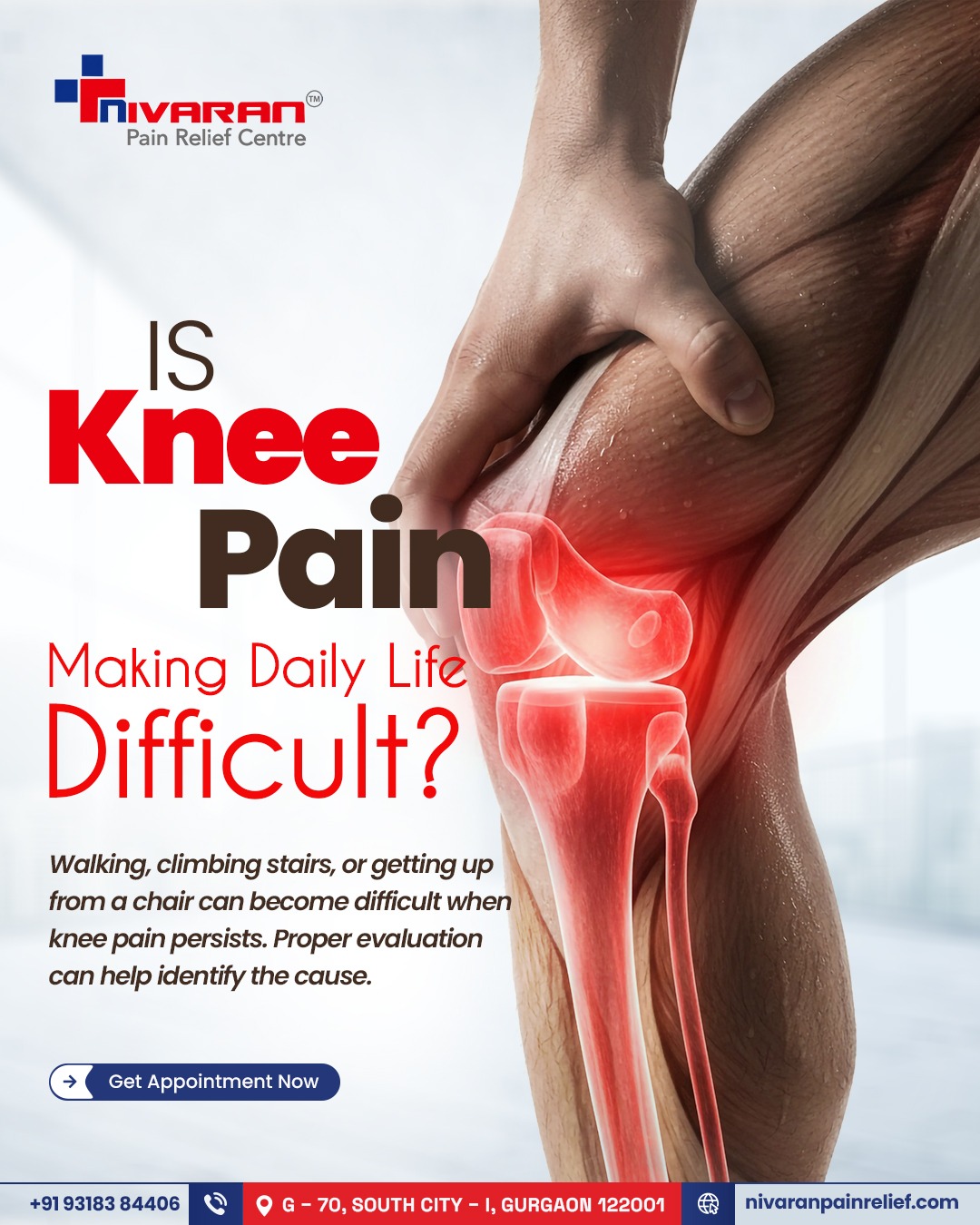
Joint stiffening and pain increase as a person ages. Persistent and worsening pains in the joint restricts normal movements and activities or even provokes pain when walking, climbing stairs, and doing other daily activities. An elderly person should seek a professional diagnostic to determine the causative agents for the discomfort, as they limit a person’s daily life. Getting to a professional medical center will help in the timely diagnosis to relieve the individual.
Keeping active despite their condition or aging is vital, and so is getting appropriate medical intervention. If the person or elderly member is experiencing some form of joint discomfort or pain, it is essential to arrange for an opportunistic screening to prevent the condition from persisting or becoming chronic. Contact us at Nivaran Pain Relief Centre to receive appropriate pain management intervention.
G-70, South City-I, Gurgaon, Haryana – 122001