Loading
Loading
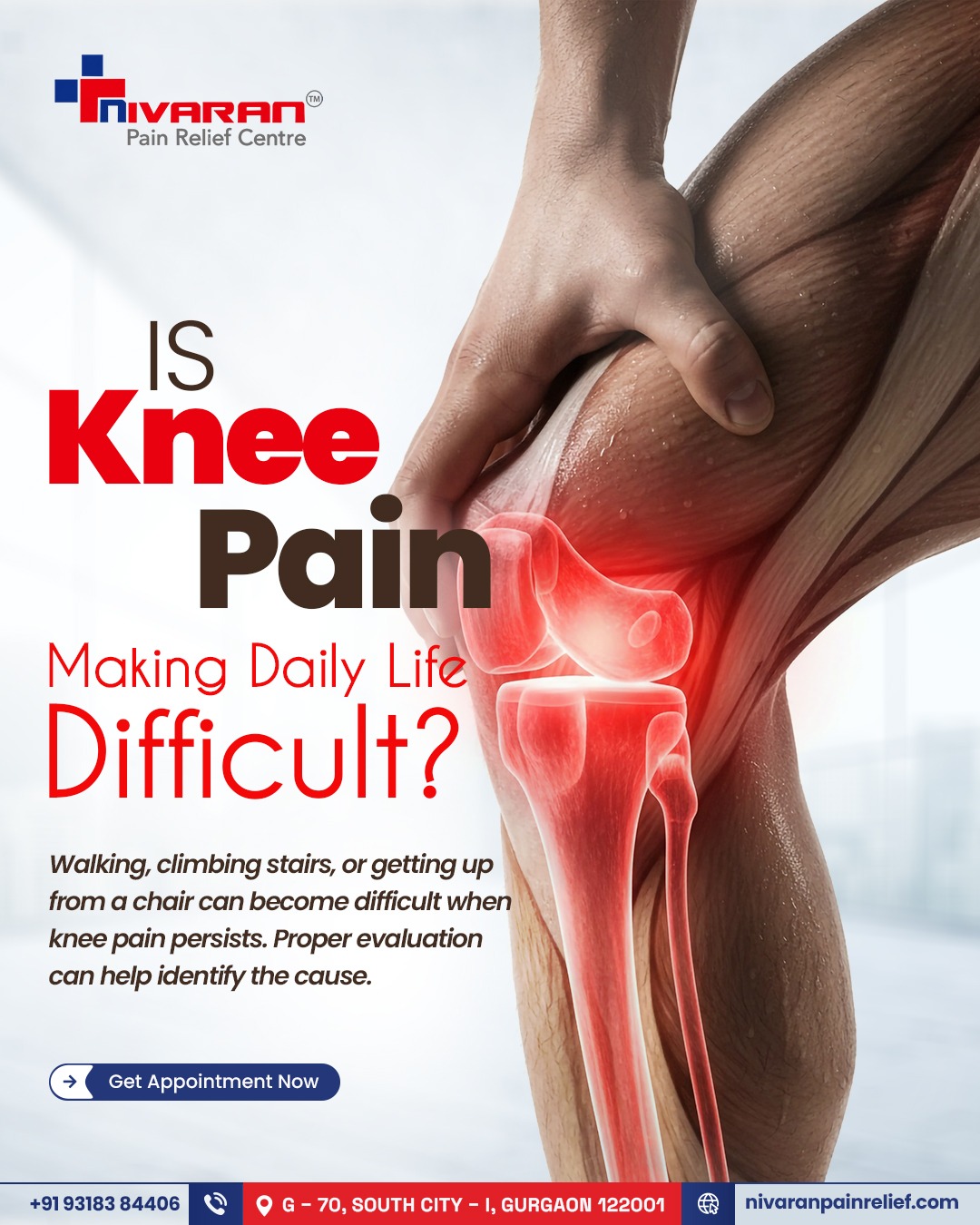
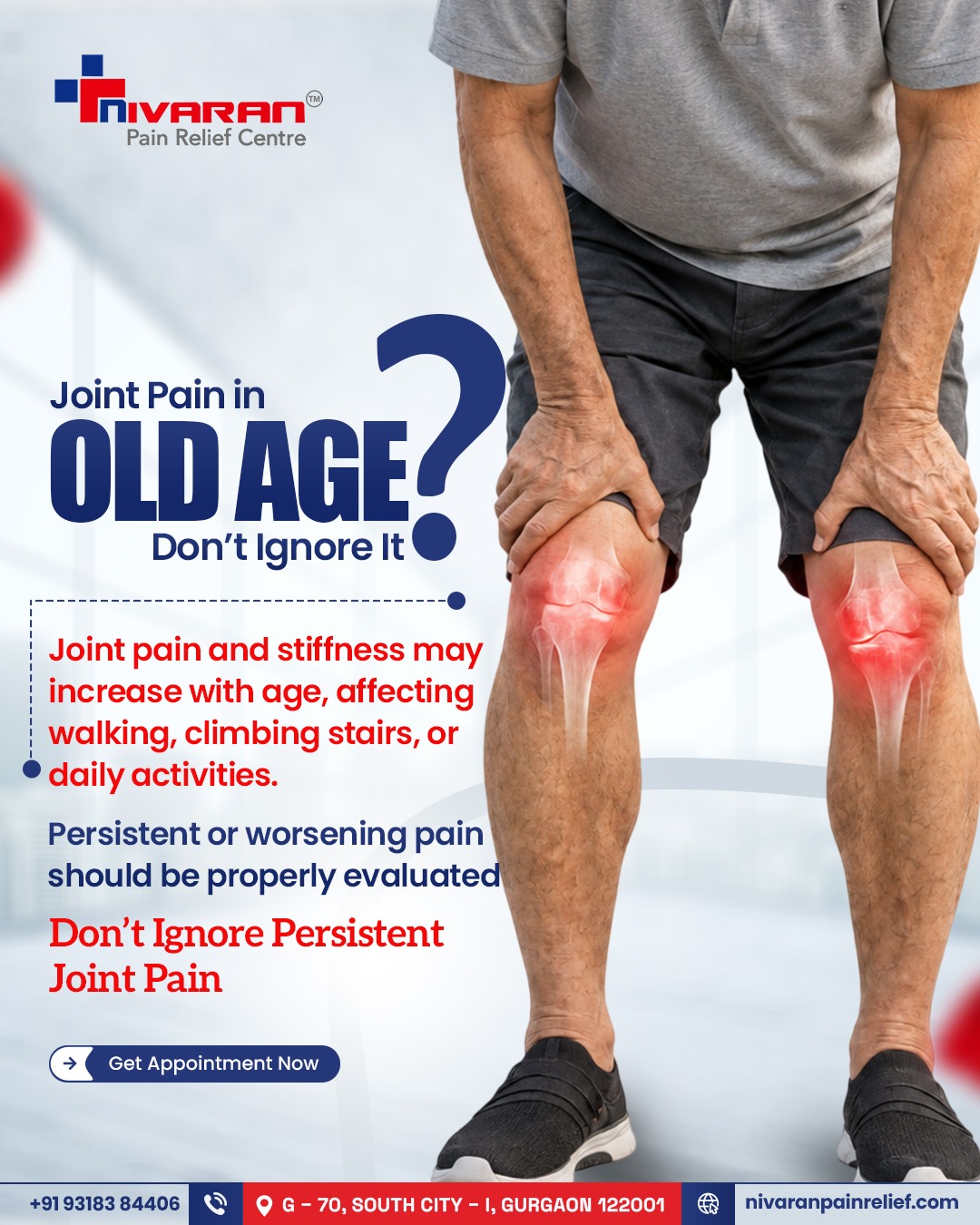
Knee pain is a very common condition that can happen to people of all age groups. It may result from injury, overuse, age or a health condition affecting your joints. When you have knee pain, everyday tasks such as walking, climbing stairs or even standing up from a chair can become a challenge.
Some discomfort from a hit or blow may subside after a rest. If the pain returns or becomes worse, don’t simply ignore it. Knowledge of the potential cause and a prompt medical examination can lead to a solution.
Knee pain is pain that occurs in or around the knee joint. The knee is a major weight bearing joint, as well as an integral part of the movements involved in standing, walking, bending, and other activities.
Pain can occur in the front, back, or sides of the knee. It can be a sharp pain that happens immediately after an injury, or an achy pain that comes on over a period of time. Swelling, stiffness, tenderness, or a decreased range of motion are also common.
There are bones, cartilage, ligaments, tendons and other tissues that make up the knee joint. Any problem with those tissues can lead to pain and immobility.
The fail-fiure to recognise ongoing symptomatology may delay the diagnosis of an underlying disease. Seeking help early can guide us on whether the症状 require any general lifestyle modifica-tions, physiotherapy, medication, and other treatments.
“If your knee is painful as you walk, go up and down stairs, and when standing for long periods of time then it could be an indication of joint inflammation, overuse or something else entirely.
Watch for when the pain comes back over and over, restricts your activity or intensifies over time.
Swelling around the knee may occur following an injury or inflammation within the joint. A feeling of stiffness might make it hard to fully bend or straighten your leg, especially after sitting for some time.
If swelling or stiffness continues, consult a doctor.
Reduced mobility can affect ordinary actions like sitting down, standing up, and sitting on a chair. It could be a result of injury, joint problems, and/or inflammation.
Seek doctor advice if you are unable to move your knee normally especially after injury.
People may also notice that they feel as though their knee is going to give way when they are walking or standing. A sensation of this nature is sometimes related to issues affecting the ligaments, muscles, or other structures of the joint.
Multiple periods of instability should be evaluated to determine the reason and to reduce fall risk.
If you have pain that doesn’t go away with rest, or that keeps coming back and disrupting your everyday activities, do not ignore it. You may have to see a healthcare provider for a physical exam, and possibly some tests.
Visit your doctor immediately if you experience severe pain, a hot, red and painful knee with fever, excessive swelling following injury or unable to bear weight.
Knee pain can develop for several reasons, including:
There are easy steps that can help decrease pain and boost the well-being of joints, depending on what is triggering the pain.
Being overweight may put strain on the knees. Keeping to a healthy weight helps protect the joints.
Low-impact activities like walking on flat roads or swimming are probably beneficial for mobility. Select your activity based on your symptoms and guidance of your health care professional.
Do not make rapid jumps in the level of activity and avoid activities that make the pain worse. Take breaks as required.
Seek help from your doctor if your pain becomes severe, continues for a long period or restricts movement. A doctor can provide other appropriate exercises and treatments.
The course of treatment varies according to the cause, duration, and severity of the symptoms. A physician may ask about your medical history, conduct a physical exam on the knee and evaluate your motion and stability.
There is the option of recommended further investigations for example X rays or an MRI.
Knee pain that persists may impact your ability to move independently and might decrease your quality of life. Seeing a doctor can help identify possible reasons and helps you make decisions about treatments.
Nivaran Pain Relief Centre is a resource for anyone who is looking for expert opinion on persistent pain. If knee pain is interfering with your routine or other aspects of life then visiting a doctor will enable you to learn about your options and what to do next.
Think about getting a medical assessment if:
Activities such as walking, standing and climbing stairs may become uncomfortable when your knees are hurting. Some knee pains resolve with rest and treatment, but when pain worsens or persists over time it could signal an underlying medical issue.
By recognising warning signs, remaining active within your limits and consulting a healthcare professional before the problem worsens, you will be taking positive steps to preserve your mobility and inform your treatment options.
G-70, South City-I, Gurgaon, Haryana – 122001